Success Takes Time, A Lot Of Time
Nov 13, 2025
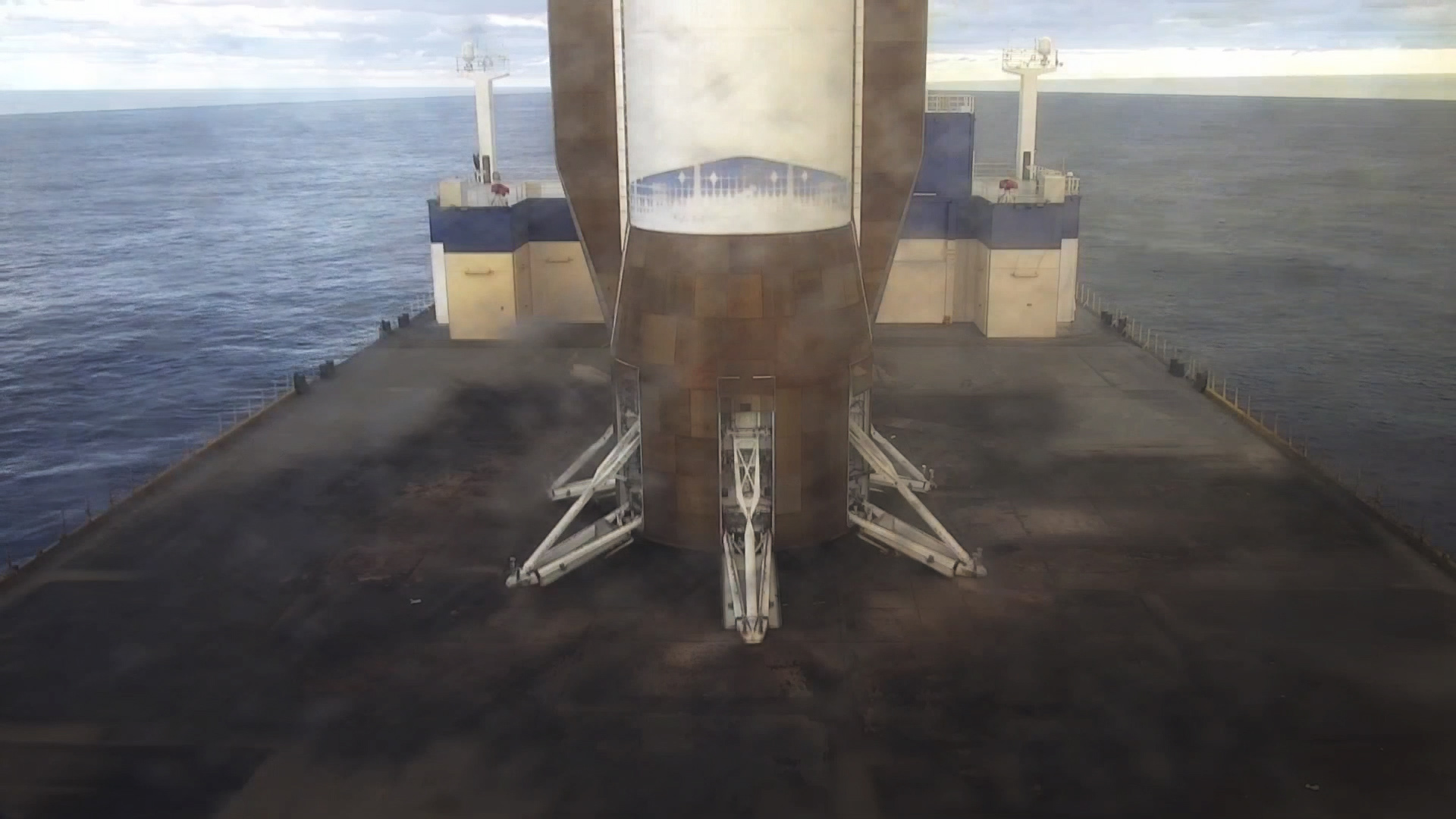
Success takes a lot of time. A lot, lot of time.
I was reminded of that in the coolest possible way today, watching Blue Origin’s New Glenn launch NASA’s ESCAPADE mission and then calmly come back and land on a ship in the Atlantic.
A brand new heavy lift rocket, a NASA Mars mission on top, a booster landing on an ocean platform, and only the second company on Earth to pull off this class of reusable orbital rocket.
For the space nerd in me, this is pure joy. For the builder in me, it is a reminder that big wins are almost always built in very slow motion.
What Actually Happened Today
Very short version of the technical side:
- Rocket: New Glenn, a 320 foot tall, partially reusable heavy lift rocket built by Blue Origin
- Mission: NASA’s ESCAPADE, a pair of small Mars orbiters that will study how solar wind strips away the Martian atmosphere over time
- Launch: Liftoff from Cape Canaveral, Florida
- Flex: The first stage booster flew back and landed on Blue Origin’s droneship Jacklyn in the Atlantic, the first successful ocean landing for New Glenn
In doing that, Blue Origin just joined SpaceX as the only companies that can launch an orbital class rocket and then bring the booster back to be reused. That is a very short list.
Here is Jeff Bezos’ post about it:
And this tweet from Blue Origin that plays on their name so perfectly:
Which brings me to why that tweet hit me so hard.
“Blue Origin” Is Such A Thoughtful Name
If you go to their site, Blue Origin literally explains that the name means Earth. The whole idea is: build a road to space so that millions of people can live and work there, in order to protect and sustain our home, our blue origin.
So when they post a video that frames the planet, the rocket, the mission, and quietly reinforces that name, it feels very intentional. This is not just a random cool sounding brand. It is a long term mission hidden in two words.
That kind of thoughtfulness is exactly what you get when someone has been obsessing over an idea for decades.
It Took Twenty Five Years To Look Like An Overnight Success
Blue Origin was founded in 2000.
For most of that time, it felt slow from the outside. Secretive test vehicles, years of development, then New Shepard suborbital flights, then engine work for other rockets, lots of memes about delays, and constant comparisons to SpaceX.
Only in 2025 did New Glenn finally reach orbit, and only now did it both launch a NASA Mars mission and land its huge first stage on a ship.
So from the outside it looks like:
“Wow, new rocket, big NASA mission, ship landing, Blue Origin is here.”
From the inside it was:
- 25 years of hiring
- 25 years of test hardware
- 25 years of scrubs, rework, design changes
- 25 years of being the punchline in every “when will New Glenn fly” thread
This is what “success takes time” actually looks like. Not a motivational quote, a quarter century of grinding.
Why This Hits The Space Nerd In Me
Personally, this feels like a marker:
Space tourism is no longer a sci fi fantasy I grew up reading about. It is something I can realistically expect to experience in my lifetime.
Blue Origin is already flying people on New Shepard on short suborbital hops, crossing the Kármán line and giving a few minutes of weightlessness.
Now they also have a heavy lift, reusable, orbital class rocket that can throw missions to Mars and then bring the booster home onto a ship.
When you connect those two capabilities, you can squint and see the early pieces of a future where:
- Going to space is routine
- Tickets are expensive but not billionaire only
- Multiple companies compete to make it safer and cheaper
As a space nerd, that is wild. As a human, it is quietly emotional.
What This Has To Do With Our Own Lives
It is very tempting to compare our progress to other people’s highlights and decide we are “behind.”
Blue Origin is a nice reality check. For a long time, they were behind, at least on the scoreboard everyone sees. Yet the work kept compounding in the background.
Big, meaningful things often need timelines like this:
- Year 1 to 3: You are learning, building foundations, nobody cares
- Year 4 to 10: You ship smaller things, make mistakes, fix them, still feel “late”
- Year 11 to 20: The world forgets your timeline, you are just “that company that is always delayed”
- Year 20 plus: Suddenly it all clicks in public, and people call it an overnight success
If you zoom in on any single year, it looks slow. If you zoom out 25 years, it looks inevitable.
The Reminder I Am Taking From New Glenn
Watching that booster land on a ship after sending a NASA mission to Mars, I kept thinking about one simple line:
It took 25 years to get here.
So this is my note to future me, and maybe to you if you are building anything ambitious:
- It is okay if it feels slow
- It is okay if no one understands the plan yet
- It is okay if people make jokes about your timeline
Just keep stacking the steps, like Blue Origin’s motto says, step by step, ferociously.
Because success takes a lot of time. A lot, lot of time. And days like today are exactly why it is worth it.